Radio | SDR

19 products

  • Great Scott Gadgets HackRF One Software Defined Radio (1 MHz to 6 GHz) - Elektor

    Great Scott Gadgets Great Scott Gadgets HackRF One SDR (1 MHz to 6 GHz)

    Out of stock

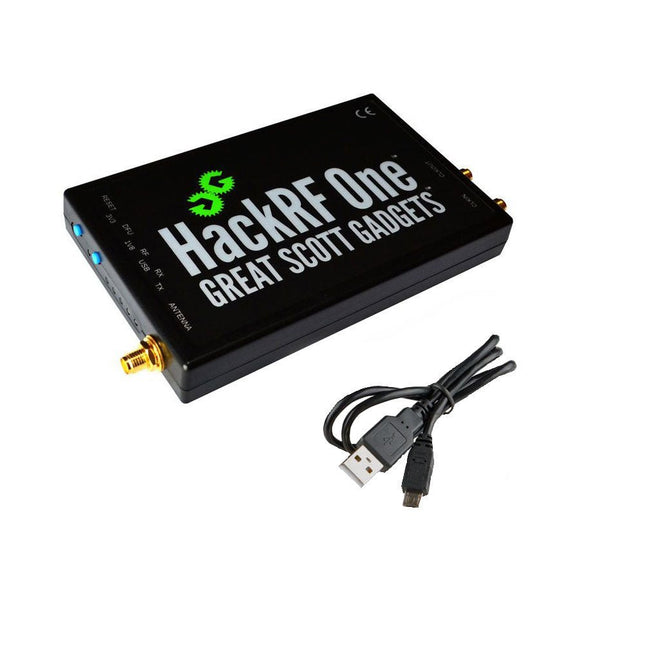
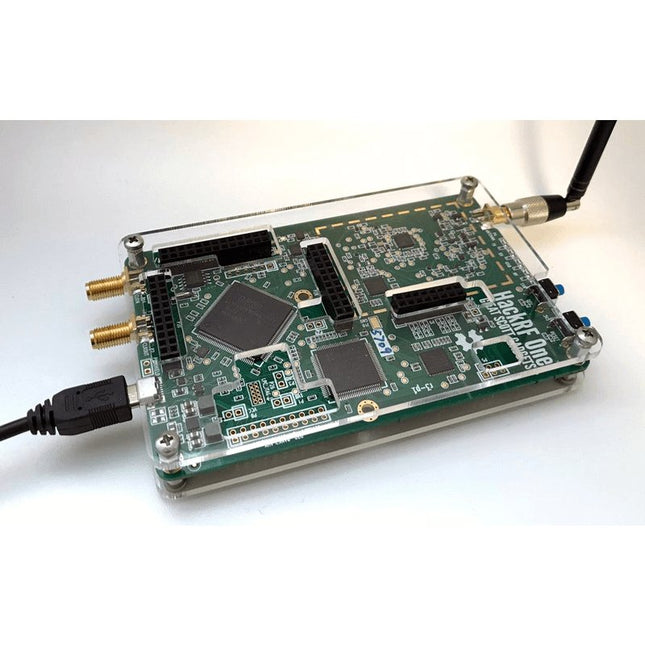
    HackRF One is a Software Defined Radio (SDR) peripheral capable of transmission or reception of radio signals from 1 MHz to 6 GHz. Designed to enable test and development of modern and next generation radio technologies, HackRF One is an open source hardware platform that can be used as a USB peripheral or programmed for stand-alone operation. Specifications 1 MHz to 6 GHz operating frequency Half-duplex transceiver Up to 20 million samples per second 8-bit quadrature samples (8-bit I and 8-bit Q) Compatible with GNU Radio, SDR and more Software-configurable RX and TX gain and baseband filter Software-controlled antenna port power (50 mA at 3.3 V) SMA female antenna connector SMA female clock input and output for synchronization Convenient buttons for programming Internal pin headers for expansion Hi-Speed USB 2.0 USB-powered Open source hardware HackRF One is test equipment for RF systems. It has not been tested for compliance with regulations governing transmission of radio signals. You are responsible for using your HackRF One legally. Included 1x HackRF One SDR 1x Plastic enclosure 1x micro-USB cable Note: An antenna is not included. ANT500 is recommended as a starter antenna for HackRF One. Downloads Documentation GitHub Source code and hardware design files

    Out of stock

    € 329,00

    Members € 296,10

  • RTL-SDR V4 (incl. Dipole Antenna Kit)

    RTL-SDR RTL-SDR V4 (incl. Dipole Antenna Kit)

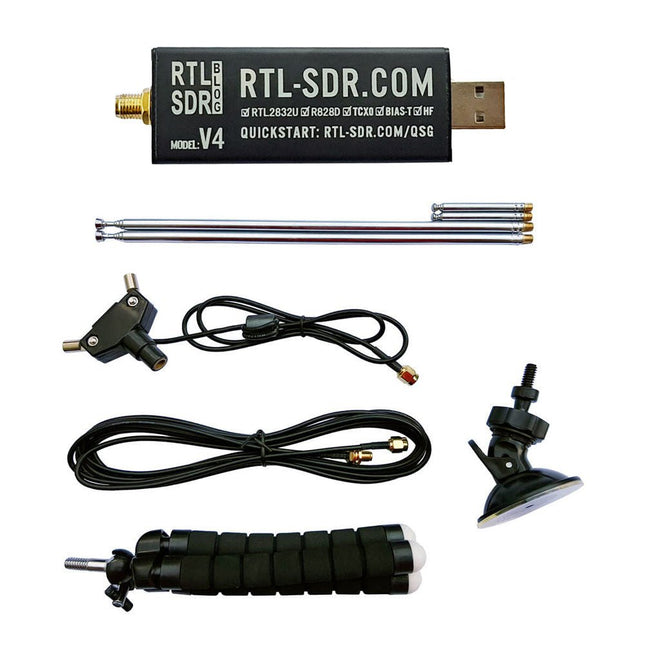
    RTL-SDR is an affordable dongle that can be used as a computer-based radio scanner for receiving live radio signals between 500 kHz and 1.75 GHz in your area. The RTL-SDR V4 offers several improvements over generic brands including use of the R828D tuner chip, triplexed input filter, notch filter, improved component tolerances, a 1 PPM temperature compensated oscillator (TCXO), SMA F connector, aluminium case with passive cooling, bias tee circuit, improved power supply, and a built in HF upconverter. RTL-SDR V4 comes with the portable dipole antenna kit. It is great for beginners as it allows for terrestrial and satellite reception and easy to mount outdoors and designed for portable and temporary outside usage. Features Improved HF reception: V4 now uses a built-in upconverter instead of using a direct sampling circuit. This means no more Nyquist folding of signals around 14.4 MHz, improved sensitivity, and adjustable gain on HF. Like the V3, the lower tuning range remains at 500 kHz and very strong reception may still require front end attenuation/filtering. Improved filtering: The V4 makes use of the R828D tuner chip, which has three inputs. The SMA input has been triplexed input into 3 bands: HF, VHF and UHF. This provides some isolation between the 3 bands, meaning out of band interference from strong broadcast stations is less likely to cause desensitization or imaging. Improved filtering x2: In addition to the triplexing, the open drain pin on the R828D can be also used, which allows to add simple notch filters for common interference bands such as broadcast AM, broadcast FM and the DAB bands. These only attenuate by a few dB, but may still help. Improved phase noise on strong signals: Due to an improved power supply design, phase noise from power supply noise has been significantly reduced. Less heat: Another advantage of the improved power supply is low power consumption and less heat generation compared to the V3. Included 1x RTL-SDR V4 dongle (R828D RTL2832U 1PPM TCXO SMA) 2x 23 cm to 1 m telescopic antenna 2x 5 cm to 13 cm telescopic antenna 1x Dipole antenna base with 60 cm RG174 1x 3 m RG174 extension cable 1x Flexible tripod mount 1x Suction cup mount Downloads Datasheet User Guide Quick Start Guide SDR# User Guide Dipole Antenna Guide

    € 64,95

    Members € 58,46

  •  -19% Raspberry Pi 5 RTL - SDR V4 (Bundle) - Elektor

    Elektor Bundles Raspberry Pi 5 RTL-SDR V4 (Bundle)

    Out of stock

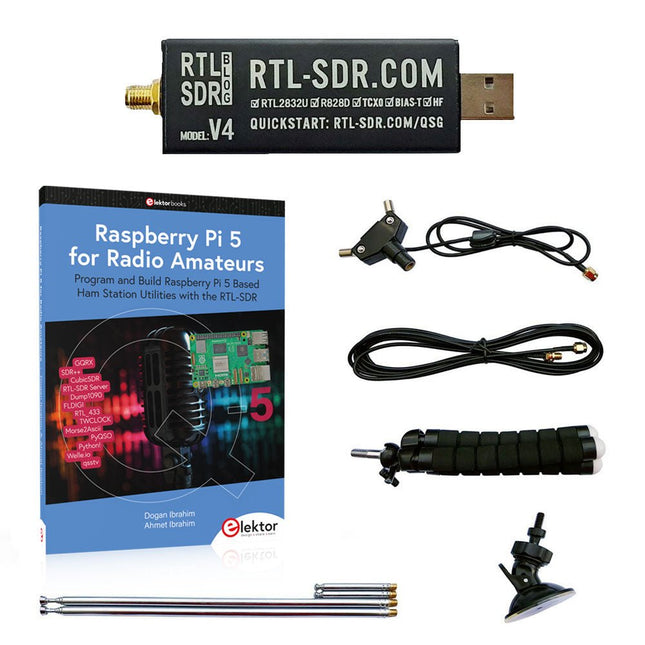
    Program and build Raspberry Pi based ham station utilities, tools, and instruments The improved RTL-SDR V4 allows you to receive radio signals between 500 kHz and 1.75 GHz from stations utilizing different bands including MW/SW/LW broadcast, ham radio, utility, air traffic control, PMR, SRD, ISM, CB, weather satellite, and radio astronomy. The book Raspberry Pi 5 for Radio Amateurs gives extensive coverage of deploying the RTL-SDR kit through the use of a Raspberry Pi 5. This bundle contains: RTL-SDR V4 (incl. Dipole Antenna Kit) (normal price: €65) Raspberry Pi 5 for Radio Amateurs (normal price: €40) RTL-SDR V4 (Software Defined Radio) with Dipole Antenna Kit RTL-SDR is an affordable dongle that can be used as a computer-based radio scanner for receiving live radio signals between 500 kHz and 1.75 GHz in your area. The RTL-SDR V4 offers several improvements over generic brands including use of the R828D tuner chip, triplexed input filter, notch filter, improved component tolerances, a 1 PPM temperature compensated oscillator (TCXO), SMA F connector, aluminium case with passive cooling, bias tee circuit, improved power supply, and a built in HF upconverter. RTL-SDR V4 comes with the portable dipole antenna kit. It is great for beginners as it allows for terrestrial and satellite reception and easy to mount outdoors and designed for portable and temporary outside usage. Features Improved HF reception: V4 now uses a built-in upconverter instead of using a direct sampling circuit. This means no more Nyquist folding of signals around 14.4 MHz, improved sensitivity, and adjustable gain on HF. Like the V3, the lower tuning range remains at 500 kHz and very strong reception may still require front end attenuation/filtering. Improved filtering: The V4 makes use of the R828D tuner chip, which has three inputs. The SMA input has been triplexed input into 3 bands: HF, VHF and UHF. This provides some isolation between the 3 bands, meaning out of band interference from strong broadcast stations is less likely to cause desensitization or imaging. Improved filtering x2: In addition to the triplexing, the open drain pin on the R828D can be also used, which allows to add simple notch filters for common interference bands such as broadcast AM, broadcast FM and the DAB bands. These only attenuate by a few dB, but may still help. Improved phase noise on strong signals: Due to an improved power supply design, phase noise from power supply noise has been significantly reduced. Less heat: Another advantage of the improved power supply is low power consumption and less heat generation compared to the V3. Included 1x RTL-SDR V4 dongle (R828D RTL2832U 1PPM TCXO SMA) 2x 23 cm to 1 m telescopic antenna 2x 5 cm to 13 cm telescopic antenna 1x Dipole antenna base with 60 cm RG174 1x 3 m RG174 extension cable 1x Flexible tripod mount 1x Suction cup mount Downloads Datasheet User Guide Quick Start Guide SDR# User Guide Dipole Antenna Guide Book: Raspberry Pi 5 for Radio Amateurs The RTL-SDR devices (V3 and V4) have gained popularity among radio amateurs because of their very low cost and rich features. A basic system may consist of a USB based RTL-SDR device (dongle) with a suitable antenna, a Raspberry Pi 5 computer, a USB based external audio input-output adapter, and software installed on the Raspberry Pi 5 computer. With such a modest setup, it is possible to receive signals from around 24 MHz to over 1.7 GHz. This book is aimed at amateur radio enthusiasts and electronic engineering students, as well as at anyone interested in learning to use the Raspberry Pi 5 to build electronic projects. The book is suitable for both beginners through experienced readers. Some knowledge of the Python programming language is required to understand and eventually modify the projects given in the book. A block diagram, a circuit diagram, and a complete Python program listing is given for each project, alongside a comprehensive description. The following popular RTL-SDR programs are discussed in detail, aided by step-by-step installation guides for practical use on a Raspberry Pi 5: SimpleFM GQRX SDR++ CubicSDR RTL-SDR Server Dump1090 FLDIGI Quick RTL_433 aldo xcwcp GPredict TWCLOCK CQRLOG klog Morse2Ascii PyQSO Welle.io Ham Clock CHIRP xastir qsstv flrig XyGrib FreeDV Qtel (EchoLink) XDX (DX-Cluster) WSJT-X The application of the Python programming language on the latest Raspberry Pi 5 platform precludes the use of the programs in the book from working on older versions of Raspberry Pi computers.

    Out of stock

    € 104,95€ 84,95

    Members identical

  • Great Scott Gadgets ANT500 Telescopic Antenna (75 MHz to 1 GHz) - Elektor

    Great Scott Gadgets Great Scott Gadgets ANT500 Telescopic Antenna (75 MHz to 1 GHz)

    Out of stock

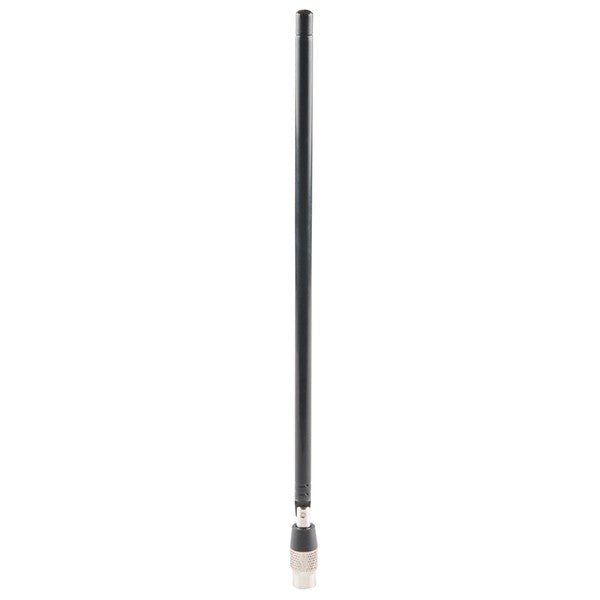
    ANT500 from Great Scott Gadgets is a telescopic antenna designed for operation from 75 MHz to 1 GHz. Its total length is configurable from 20 cm to 88 cm. ANT500 is constructed of stainless steel and features an SMA male connector, rotating shaft, and adjustable elbow. ANT500 is a 50 ohm general purpose antenna. It is the perfect first antenna for use with HackRF One.

    Out of stock

    € 34,95

    Members € 31,46

  •  -60% FM Radio Kit - Elektor

    Generic FM Radio Kit

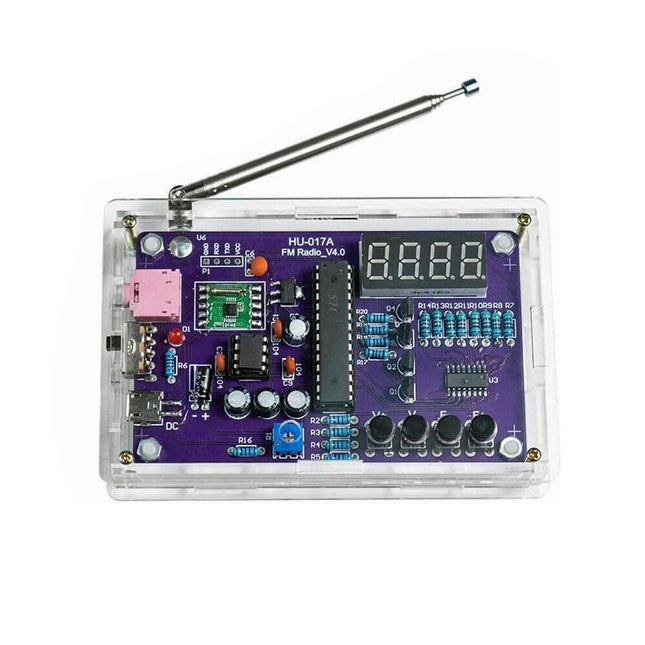
    This DIY kit (HU-017A) is a wireless FM radio receiver with a 4-digit 7-segment display. It operates within the global FM receiving frequency band of 87.0-108.0 MHz, making it suitable for use in any country or region. The kit offers two power supply modes, allowing you to use it both at home and outdoors. This DIY electronic product will help you understand circuits and improve your soldering skills. Features 87.0-108.0 MHz FM Radio: Built-in RDA5807 FM data processor with a standard FM receiving frequency band. The FM frequency can be adjusted using the F+ and F- buttons. Adjustable Volume: Two volume adjustment methods – button and potentiometer. There are 15 volume levels. Active & Passive Audio Output: The kit has a built-in 0.5 W power amplifier to drive 8 Ω speakers directly. It also outputs audio signals to headsets or loudspeakers with AUX interfaces, allowing personal listening and sharing of FM audio. Configured with a 25 cm dedicated FM antenna and a (red) 4-digit 7-segment display for real-time display of FM radio frequency. The transparent acrylic shell protects the internal circuit board. It supports dual power supply methods – 5 V USB and 2x 1.5 V (AA) batteries. DIY Hand Soldering: The kit comes with various components that need to be installed manually. It helps exercise and improve soldering skills, making it suitable for electronics hobbyists, beginners, and educational purposes. Specifications Operating voltage DC 3 V/5 V Output impedance 8 Ω Output power 0.5 W Output channel Mono Receiver frequency 87.0 MHz~108.0 MHz Frequency accuracy 0.1 MHz Operating temperature −40°C to +85°C Operating humidity 5% to 95% RH Dimensions 107 x 70 x 23 mm IMPORTANT: Remove the batteries when powering the radio over to USB. Included 1x PCB 1x RDA5807M FM Receiver 1x STC15W404AS MCU 1x IC Socket 1x 74HC595D Register 1x TDA2822M Amplifier 1x IC Socket 1x AMS1117-3.3 V Voltage Converter 18x Metal Film Resistor 1x Potentiometer 4x Ceramic Capacitor 5x Electrolytic Capacitor 4x S8550 Transistor 1x Red LED 1x 4-digit 7-segment Display 1x Toggle Switch 1x SMD Micro USB Socket 1x Radio Antenna 1x AUX Audio Socket 4x Black Button 4x Button Cap 1x 0.5 W/8 Ω Speaker 1x Red/Black Wire 2x Double-sided adhesive 1x AA Battery Box 1x USB cable 6x Acrylic Board 4x Nylon Column Screw 4x M3 Screw 4x M3 Nut 4x M2x22 mm Screw 1x M2x6 mm Screw 5x M2 Nut

    € 29,95€ 11,98

    Members identical

  •  -60% SDR Hands - on Book - Elektor

    Elektor Publishing SDR Hands-on Book

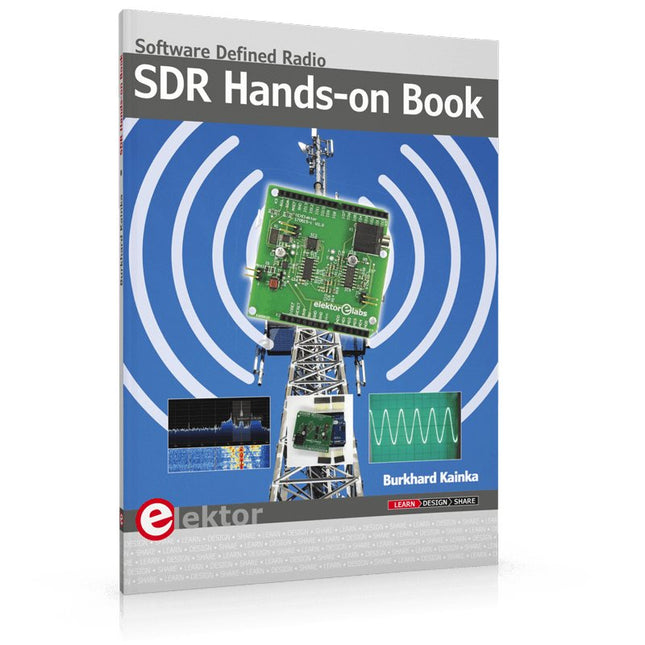
    The short-wave technique has a very particular appeal: It can easily bridge long distances. By reflecting short-wave signals off the conductive layers of the ionosphere, they can be received in places beyond the horizon and therefore can reach anywhere on earth. Although technology is striving for ever higher frequencies, and radio is usually listened to on FM, DAB+, satellite or the Internet, modern means of transmission require extensive infrastructure and are extremely vulnerable. In the event of a global power outage, there is nothing more important than the short-wave. Amateur radio is not only a hobby, it’s also an emergency radio system! Elektor’s SDR-Shield is a versatile shortwave receiver up to 30 MHz. Using an Arduino and the appropriate software, radio stations, morse signals, SSB stations, and digital signals can be received. In this book, successful author and enthusiastic radio amateur, Burkhard Kainka describes the modern practice of software defined radio using the Elektor SDR Shield. He not only imparts a theoretical background but also explains numerous open source software tools.

    € 34,95€ 13,98

    Members identical

  • Great Scott Gadgets ANT700 Telescopic Antenna (300 MHz to 1100 MHz) - Elektor

    Great Scott Gadgets Great Scott Gadgets ANT700 Telescopic Antenna (300 MHz to 1100 MHz)

    Out of stock

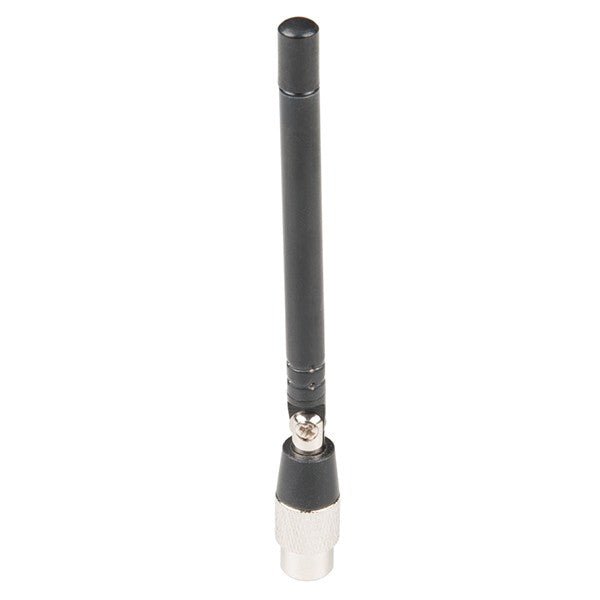
    ANT700 from Great Scott Gadgets is a lightweight telescopic antenna designed for operation from 300 MHz to 1100 MHz. Its total length is configurable from 9.5 cm to 24.5 cm. ANT700 is constructed of stainless steel and features an SMA male connector, rotating shaft, and adjustable elbow. ANT700 is a 50 ohm general purpose antenna. It is a perfect first antenna for use with HackRF One.

    Out of stock

    € 29,95

    Members € 26,96

  • HackRF One PortaPack H2 (All - in - One Wideband SDR) - Elektor

    PortaPack HackRF One PortaPack H2 (All-in-One Wideband SDR)

    Out of stock

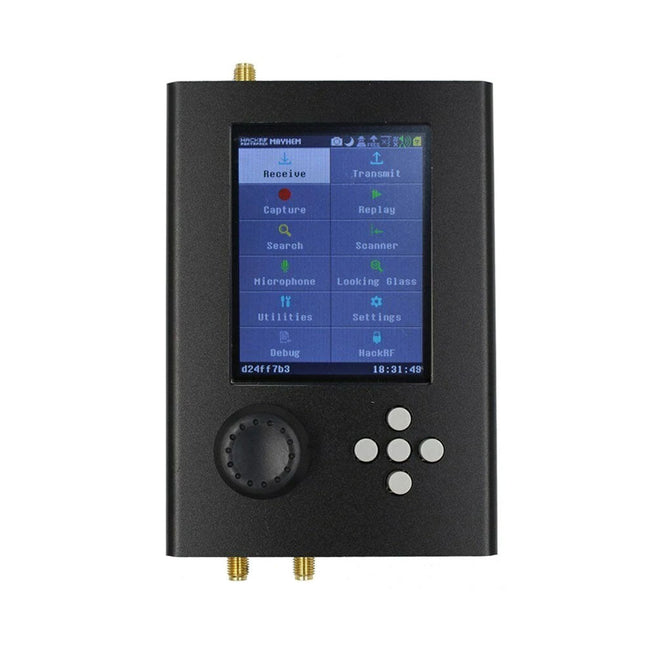
    The HackRF One and PortaPack H2 combination is a standalone, portable SDR device without the need for a computer. The PortaPack H2 enhances the well-known capabilities of the popular HackRF One with a suite of additional features, including a 3.2-inch touchscreen display for easy control and visualization, a built-in real-time clock for precise timestamping, a headphone jack for audio monitoring, a microSD slot for data storage, and convenient navigation buttons along with a rotary knob for smooth, intuitive operation of the SDR. With the Mayhem firmware installed, the PortaPack H2 unlocks advanced capabilities including spectrum analysis, signal recording and playback, protocol decoding (such as ADS-B, AIS, and Bluetooth), and flexible signal transmission at low power. Ready-mounted in a compact metal case, the HackRF One/PortaPack H2 combo is the perfect choice for both professionals and hobbyists seeking robust SDR functionality, accessible anytime and anywhere. Features of HackRF One 1 MHz to 6 GHz operating frequency Half-duplex transceiver Up to 20 million samples per second 8-bit quadrature samples (8-bit I and 8-bit Q) Compatible with GNU Radio, SDR and more Software-configurable RX and TX gain and baseband filter Software-controlled antenna port power (50 mA at 3.3 V) SMA antenna socket SMA clock I/O sync socket Convenient buttons for programming Hi-Speed USB 2.0 USB-powered Open-source hardware Large community of followers Features of PortaPack H2 3.2-inch color LCD with resistive touch (240 x 320) 4-way arrow buttons, rotary wheel with Select pushbutton Coin battery to preserve settings and date/time Micro SD card slot for data/code storage, and app transfer SSB, AM, narrowband FM, broadband FM audio reception, with cascade spectrum Broadband (18 MHz max.) spectrum and cascade analysis Digital TX/RX signal decoding: AIS, ADS-B, TPMS, APRS, BLE Rx, POCSAG, Weather Balloon HackRF mode runs HackRF firmware for use with the SDR host computer software PPM calibration for more accurate tuning Sleep mode saves energy by turning off the display only Built-in 2400 mAh Lithium battery Headphones output Included HackRF One and PortaPack H2 (ready-assembled in compact metal case, ready to operate) Antenna Complement 1x VHF BLC-TLC, 30 cm, magnetic base, coax cable, SMA connector 1x UHF CLC, 19 cm, magnetic base, coax cable, SMA connector 1x 2.4 GHz WiFi, 15 cm, foldable, SMA connector 1x Telescopic rod, 48 cm, SMA connector 1x ADS-B 1-2 GHz, 12 cm, detachable, screw-on, SMA connector 1x Magnetic base, screw top, coax cable, SMA connector 1x USB cable

    Out of stock

    € 269,00

    Members € 242,10

  •  -25% Great Scott Gadgets Opera Cake – Antenna Switch for HackRF One - Elektor

    Great Scott Gadgets Great Scott Gadgets Opera Cake (Antenna Switch for HackRF One)

    Out of stock

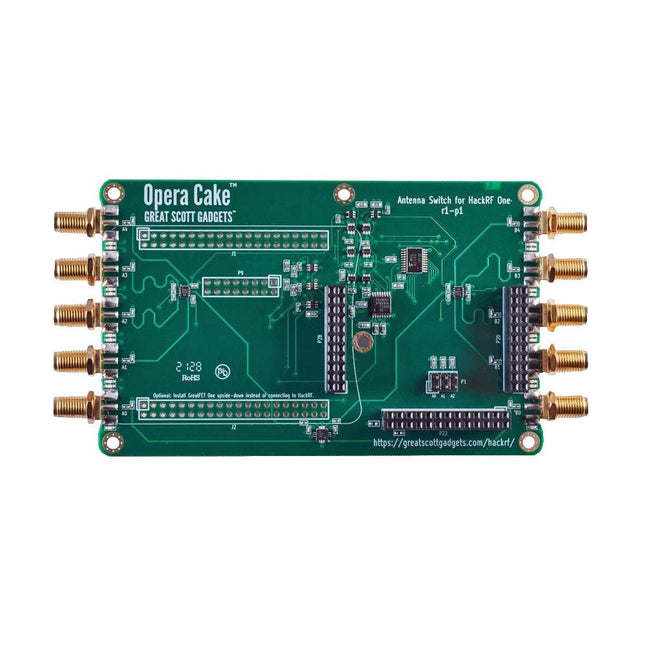
    Opera Cake is an antenna switching add-on board for HackRF One that is configured with command-line software either manually, or for automated port switching based on frequency or time. It has two primary ports, each connected to any of eight secondary ports, and is optimized for use as a pair of 1x4 switches or as a single 1x8 switch. Its recommended frequency range is 1 MHz to 4 GHz. When HackRF One is used to transmit, Opera Cake can automatically route its output to the appropriate transmit antennas, as well as any external filters, amplifiers, etc. No changes are needed to the existing SDR software, but full control from the host is available. Opera Cake also enhances the HackRF One’s use as a spectrum analyzer across its entire operating frequency range of 1 MHz to 4 GHz. Antenna switching works with the existing hackrf_sweep feature, which can sweep the whole tuning range in less than a second. Automatic switching mid-sweep enables the use of multiple antennas when sweeping a wide frequency range. Downloads Documentation GitHub

    Out of stock

    € 199,95€ 149,95

    Members identical

  •  -14% KrakenSDR - Five - channel Software Defined Radio (based on RTL - SDR) - Elektor

    KrakenRF KrakenSDR 5-ch SDR (based on RTL-SDR)

    Out of stock

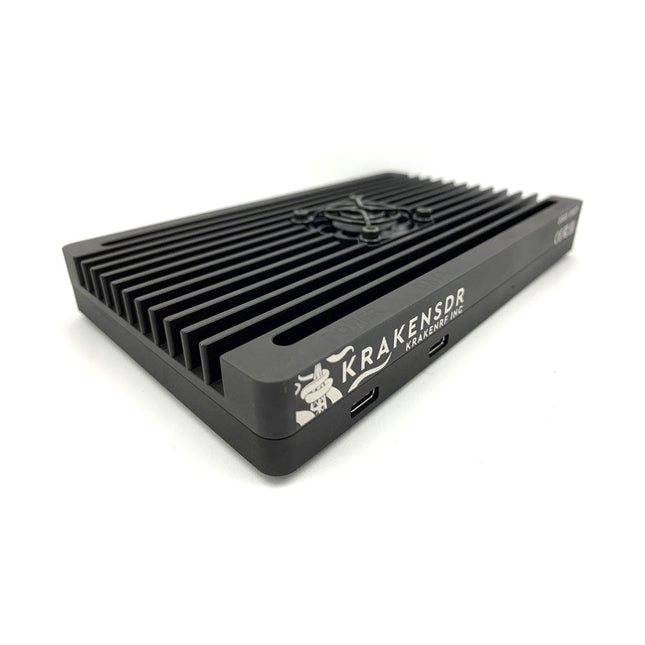
    KrakenSDR is a phase-coherent software-defined radio with five RTL-SDRs KrakenSDR is a 5-channel, RX-only, software-defined radio (SDR) based on the RTL-SDR and designed for phase-coherent applications and experiments. Phase-coherent SDR opens the door to some very interesting applications, including radio direction finding, passive radar, and beam forming. You can also use KrakenSDR as five separate radios. KrakenSDR is an upgraded version of the previous product, KerberosSDR. It provides a fifth receive channel, automatic phase-coherence synchronization capabilities, bias tees, a new RF design with cleaner spectrum, USB Type-C connectors, a heavy-duty enclosure, upgraded open source DAQ and DSP software, and an upgraded Android app for direction finding. RTL-SDR KrakenSDR makes use of five custom RTL-SDR circuits consisting of R820T2 and RTL2832U chips. The RTL-SDR is a well-known, low-cost software-defined radio (SDR), but throw five units together and using them on the same PC will not make them 'phase coherent;' each one will receive signals at a slightly different phase offset from the others. This makes it difficult or impossible to achieve a high degree of precision when measuring relationships between signals that arrive at different antennas. To achieve phase coherence, KrakenSDR drives all five RTL-SDR radios with a single clock source, and contains internal calibration hardware to allow the phase relationship between channels to be measured precisely and corrected for. Additionally, the overall design of KrakenSDR works to ensure phase stability, with care taken in the areas of heat management, driver configuration, power supply, and external-interference mitigation. Features Five-channel, coherent-capable RTL-SDR, all clocked to a single local oscillator Built-in automatic coherence synchronization hardware Automatic coherence synchronization and management via provided Linux software 24 MHz to 1766 MHz tuning Range (standard R820T2 RTL-SDR range, and possibly higher with hacked drivers) 4.5 V bias tee on each port Core DAQ and DSP software is open source and designed to run on a Raspberry Pi 4 Direction-finding software for Android (free for non-commercial use) Applications Physically locating an unknown transmitter of interest (e.g. illegal or interfering broadcasts, noise transmissions, or just as a curiosity) HAM radio experiments such as radio fox hunts or monitoring repeater abuse Tracking assets, wildlife, or domestic animals outside of network coverage through the use of low power beacons Locating emergency beacons for search-and-rescue teams Locating lost ships via VHF radio Passive radar detection of aircraft, boats, and drones Traffic-density monitoring via passive radar Beamforming Interferometry for radio astronomy Specifications Bandwidth 2.56 MHz RX Channels 5 Frequency Range 24-1766 MHz Radio Tuner 5x R820T2 Radio ADC 5x RTL2832U ADC Bit Depth 8-bits Oscillator Stability 1 PPM Typical Power Consumption 5 V/2.2 A (11 W) Enclosure Type Heavy-duty CNC Aluminum Dimensions 177 x 112.3 x 25.9 mm Weight 560 g Included 1x KrakenSDR (fully assembled and installed) with Aluminum enclosure 1x Manual Required USB Type-C cable 5 V/2.4 A USB-C power supply Antennas Raspberry Pi 4 (for computing) Android phone/tablet with mobile-hotspot capabilities (with direction finding) Downloads Wiki Android App

    Out of stock

    € 699,00€ 599,00

    Members identical

  • SDRplay RSP1A – 14 - bit SDR Receiver (1 kHz to 2 GHz) - Elektor

    SDRplay SDRplay RSP1B 14-bit SDR Receiver (1 kHz to 2 GHz)

    The SDRplay RSP1B is an enhanced version of the popular RSP1A – a powerful, wideband, full-featured 14-bit SDR that covers the RF spectrum from 1 kHz to 2 GHz. The RSP1B comes in a rugged, black-painted steel case and offers significantly improved noise performance. All it needs is a computer and an antenna to deliver excellent communications-receiver functionality. It includes a choice of SDRuno for Windows and the multi-platform SDRconnect software for Windows, macOS, and Linux (supplied free of charge by SDRplay). You can monitor up to 10 MHz of spectrum at a time. A documented API allows developers to create new demodulators or applications for the platform. Features Covers all frequencies from 1 kHz through VLF, LF, MW, HF, VHF, UHF and L-band to 2 GHz, with no gaps Receive, monitor and record up to 10 MHz of spectrum at a time Free use of windows-based SDRuno software which provides an ever-increasing feature-set Strong and growing software support network Calibrated S meter/ RF power and SNR measurement with SDRuno (including datalogging to .CSV file capability) Documented API provided to allow demodulator or application development on multiple platforms Excellent dynamic range for challenging reception conditions Works with popular 3rd party SDR software (including HDSDR, SDR Console and Cubic SDR) ExtIO based plugin available Software upgradeable for future standards Strong and growing software support network API provided to allow demodulator or application development Multiplatform driver and API support including Windows, Linux, Mac, Android and Raspberry Pi Up to 16 individual receivers in any 10 MHz slice of spectrum using SDRuno Calibrated S meter and power measurements with SDRuno Stand-alone windows-based spectrum analyser software available (with sweep, sample and hold features) Ideal for monitoring of ISM/ IoT/ Telemetry bands <2 GHz Ideal for portable operation Specifications Frequency Range 1 kHz – 2 GHz Antenna Connector SMA Antenna Impedance 50 Ohms Current Consumption (Typical) 185 mA (excl. Bias-T) USB Connector USB Type B Maximum Input Power +0 dBm Continuous+10 dBm Short Duration ADC Sample Rates 2-10.66 MSPS ADC Number of Bits 14 bit 2-6.048 MSPS12 bit 6.048-8.064 MSPS10 bit 8.064-9.216 MSPS8 bit >9.216 MSPS Bias-T 4.7 V100 mA guaranteed Reference 0.5ppm 24 MHz TCXO.Frequency error trimmable to 0.01ppm in field. Operating Temperature Range -10˚C to +60˚C Dimensions 98 x 88 x 34 mm Weight 110 g Downloads Datasheet Software RSP1B vs RSPdx vs RSPduo RSP1B RSPdx RSPduo Continuous coverage from 1 kHz to 2 GHz ✓ ✓ ✓ Up to 10 Mhz visible bandwidth ✓ ✓ ✓ 14-bit ADC silicon technology plus multiple high-performance input filters ✓ ✓ ✓ Software selectable AM/FM & DAB broadcast band notch filters ✓ ✓ ✓ 4.7 V Bias-T for powering external remote antenna amplifier ✓ ✓ ✓ Powers over the USB cable with a simple type B socket ✓ ✓ ✓ 50Ω SMA antenna input(s) for 1 kHz to 2 GHz operation (software selectable) 1 2 2 Additional software selectable Hi-Z input for up to 30 Mhz operation ✓ Additional software selectable 50Ω BNC input for up to 200 MHz operation ✓ Additional LF/VLF filter for below 500 kHz ✓ 24 MHz reference clock input (+ output on RSPduo) ✓ ✓ Dual tuners enabling reception on 2 totally independent 2 MHz ranges ✓ Dual tuners enabling diversity reception using SDRuno ✓ Robust and strong plastic case (with internal RF shielding layer) ✓ Rugged black painted steel case ✓ ✓ Overall performance below 2 MHz for MW and LF + ++ + Multiple simultaneous applications + + ++ Performance in challenging fading conditions (*using diversity tuning) + + *++

    € 148,99

  •  -60% Acrylic Case for HackRF One SDR - Elektor

    Great Scott Gadgets Acrylic Case for HackRF One SDR

    This clear acrylic case is the official case for the HackRF One board. It can replace the standard black plastic case of the HackRF One. Assembly Instructions Use a guitar pick or spudger to extract the HackRF One circuit board from the black plastic case. Insert one long screw into each corner of the bottom acrylic panel. Secure each long screw with a short (5 mm) spacer on the opposite side of the panel. Place the HackRF One circuit board (facing up) on top of the bottom panel, fitting the ends of the long screws through the corner mounting holes of the circuit board. Secure the circuit board with one long (6 mm) spacer in each corner. Place the top acrylic panel on top of the circuit board, aligning the cutouts with the circuit board’s expansion headers. Secure each corner with a short screw. Note: Do not overtighten! Hand-tighten only at every step.

    € 19,95€ 7,98

    Members identical

  • SDRplay RSPduo – Dual - Tuner 14 - bit SDR Receiver (1 kHz to 2 GHz) - Elektor

    SDRplay SDRplay RSPduo Dual-Tuner 14-bit SDR Receiver (1 kHz to 2 GHz)

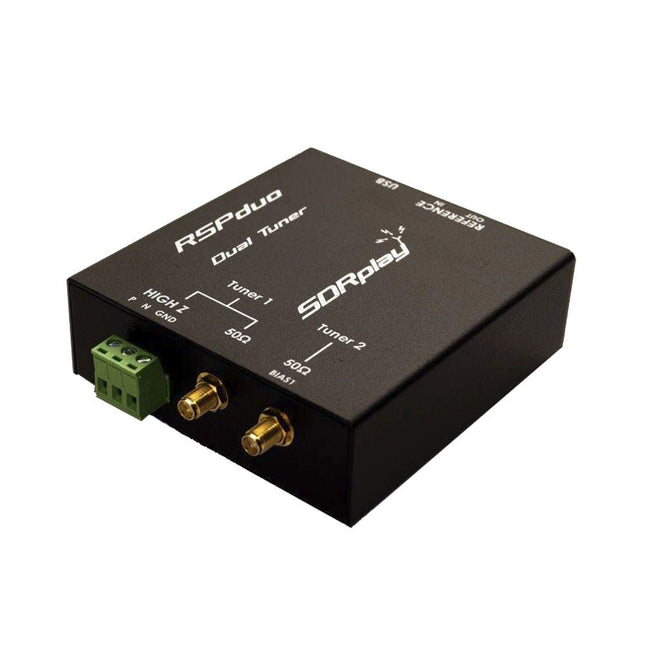
    The SDRplay RSPduo is a high performance dual-tuner 14-bit SDR receiver. Housed in a high quality steel enclosure, each tuner can operate individually anywhere between 1 kHz and 2 GHz with up to 10 MHz of bandwidth or both tuners can operate simultaneously anywhere between 1 kHz and 2 GHz with up to 2 MHz of bandwidth per tuner. A high stability reference along with external clocking features makes this device ideally suited to industrial, scientific & educational applications. Features Dual tuner provides independent coverage from 1 kHz to 2 GHz using 2 antenna ports simultaneously 14-bit ADC silicon technology Up to 10 MHz visible bandwidth (single tuner mode) or 2 slices of 2 MHz spectrum (dual tuner mode) 3 software-selectable antenna ports (2x 50Ω and 1x 1kΩ high impedance balanced/unbalanced input) High impedance antenna port (1 kHz to 30 MHz) with selectable MW notch filter and choice of 2 pre-selection filters Software selectable AM/FM and DAB broadcast band notch filters for the 2 SMA antenna (1 kHz to 2 GHz) antenna ports External clock input and output enables easy synchronisation to multiple RSPs or external reference clock Powers over the USB cable with a simple type B socket 11 high-selectivity, built in front-end preselection filters on both the 2 SMA antenna ports Software selectable multi-level Low Noise Preamplifier Bias-T power supply for powering antenna-mounted LNA Enclosed in a rugged black painted steel case. SDRuno – World Class SDR software for Windows Documented API for new apps development Specifications Frequency Range 1 kHz – 2 GHz Antenna Connector SMA Antenna Impedance 50 Ohms Current Consumption (Typical) Single Tuner Mode: 180 mA (excl. Bias-T)Dual Tuner Mode: 280 mA (excl. Bias-T) USB Connector USB-B Maximum Input Power +0 dBm Continuous+10 dBm Short Duration ADC Sample Rates 2-10.66 MSPS ADC Number of Bits 14 bit 2-6.048 MSPS12 bit 6.048-8.064 MSPS10 bit 8.064-9.216 MSPS8 bit >9.216 MSPS Bias-T 4.7 V100 mA guaranteed Reference High Temperature Stability (0.5ppm) 24 MHz TCXO.Frequency error trimmable to 0.01ppm in field. Operating Temperature Range −10˚C to +60˚C Dimensions 98 x 94 x 33 mm Weight 315 g Downloads Datasheet Detailed Technical Information Software RSPdx-R2 vs RSPduo RSPdx-R2 RSPduo Continuous coverage from 1 kHz to 2 GHz ✓ ✓ Up to 10 MHz visible bandwidth ✓ ✓ 14-bit ADC silicon technology plus multiple high-performance input filters ✓ ✓ Software selectable AM/FM & DAB broadcast band notch filters ✓ ✓ 4.7 V Bias-T for powering external remote antenna amplifier ✓ ✓ Powers over the USB cable with a simple type B socket ✓ ✓ 50Ω SMA antenna input(s) for 1 kHz to 2 GHz operation (software selectable) 2 2 Additional software selectable Hi-Z input for up to 30 Mhz operation ✓ Additional software selectable 50Ω BNC input for up to 200 MHz operation ✓ Additional LF/VLF filter for below 500 kHz ✓ 24 MHz reference clock input (+ output on RSPduo) ✓ ✓ Dual tuners enabling reception on 2 totally independent 2 MHz ranges ✓ Dual tuners enabling diversity reception using SDRuno ✓ Rugged black painted steel case ✓ ✓ Overall performance below 2 MHz for MW and LF ++ + Multiple simultaneous applications + ++ Performance in challenging fading conditions (*using diversity tuning) + *++

    € 287,98

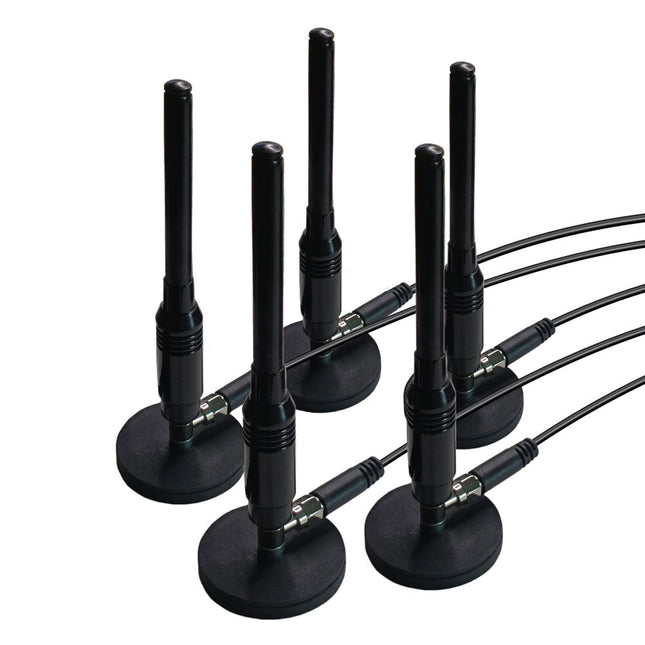
  •  -60% Magnetic Telescopic Antennas for KrakenSDR (Set of 5) - Elektor

    KrakenRF Magnetic Telescopic Antennas for KrakenSDR (Set of 5)

    This is a set of five magnetic, telescopic whip antennas – with 100 MHz to 1 GHz tuning range – that can be used with KrakenSDR for direction finding. The magnets are strong and will be secure on the roof of a moving car. It includes a set of five two-meter, LMR100-equivalent coax cables that have been length matched for better performance.

    € 259,00€ 103,60

    Members identical

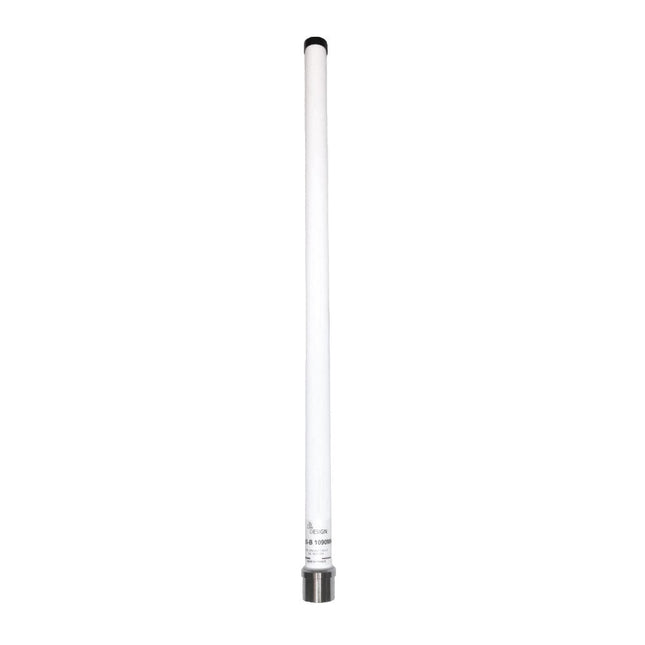
  • ADS - B Antenna (1090 MHz) - Elektor

    OPA Design ADS-B Outdoor Antenna (1090 MHz)

    Out of stock

    This outdoor antenna made of fiberglass is optimized for the reception of ADS-B signals on the 1090 MHz frequency. The antenna consists of a half-wave dipole with 5 dBi gain, encapsulated inside a fiberglass radome with an aluminum mounting base. With a Raspberry Pi, an RTL-SDR and this antenna, you can receive position data from aircraft in your area for apps such as Flightradar24 or FlightAware. Specifications Frequency 1090 MHz Antenna type Dipole 1/2 wave Connector N female Installation type Mast Diam 35-60 mm (mounting bracket included) Gain 5 dBi SWR ≤1.5 Type of Polarization Vertical Maximum power 10 W Impedance 50 Ohms Dimensions 62.5 cm Tube diameter 26 mm Base antenna 32 mm Operating temperature −30°C to +60°C Included ADS-B antenna (1090 Mhz) Mast bracket (for installation on a 35 to 60 mm diameter mast)

    Out of stock

    € 74,95

    Members € 67,46

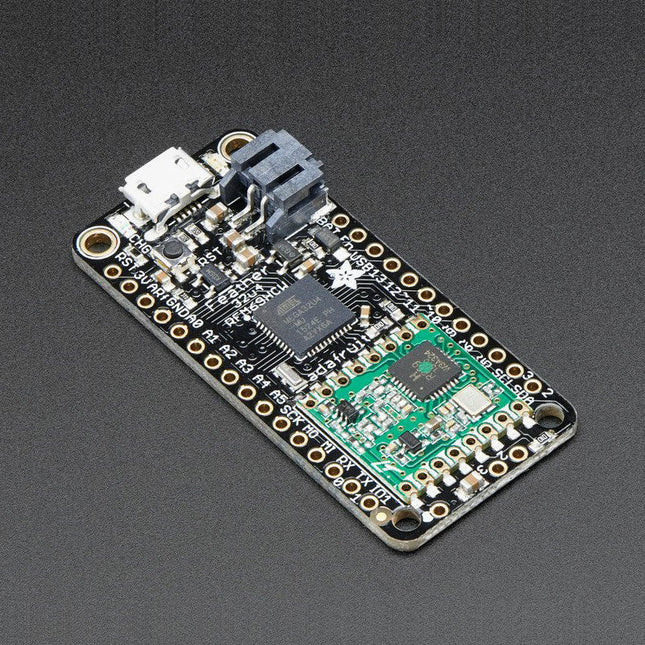
  •  -60% Adafruit Feather 32u4 RFM69HCW Packet Radio (868 or 915 MHz) RadioFruit - Elektor

    Adafruit Adafruit Feather 32u4 RFM69HCW Packet Radio (868 or 915 MHz) RadioFruit

    This 900 MHz radio version can be used for either 868 MHz or 915 MHz transmission/reception – the exact radio frequency is determined when you load the software since it can be tuned around dynamically. At the Feather 32u4's heart is at ATmega32u4 clocked at 8 MHz and at 3.3 V logic. This chip has 32 K of flash and 2 K of RAM, with built in USB so not only does it have a USB-to-Serial program & debug capability built in with no need for an FTDI-like chip, it can also act like a mouse, keyboard, USB MIDI device, etc. To make it easy to use for portable projects, we added a connector for any 3.7 V Lithium polymer batteries and built in battery charging. You don't need a battery, it will run just fine straight from the micro USB connector. But, if you do have a battery, you can take it on the go, then plug in the USB to recharge. The Feather will automatically switch over to USB power when its available. We also tied the battery thru a divider to an analog pin, so you can measure and monitor the battery voltage to detect when you need a recharge. Features Measures 2.0' x 0.9' x 0.28' (51 x 23 x 8 mm) without headers soldered in Light as a (large?) feather – 5.5 grams ATmega32u4 @ 8 MHz with 3.3 V logic/power 3.3 V regulator with 500 mA peak current output USB native support, comes with USB bootloader and serial port debugging You also get tons of pins – 20 GPIO pins Hardware Serial, hardware I²C, hardware SPI support 7x PWM pins 10x analog inputs Built in 100 mA lipoly charger with charging status indicator LED Pin #13 red LED for general purpose blinking Power/enable pin 4 mounting holes Reset button The Feather 32u4 Radio uses the extra space left over to add an RFM69HCW 868/915 MHz radio module. These radios are not good for transmitting audio or video, but they do work quite well for small data packet transmission when you ned more range than 2.4 GHz (BT, BLE, WiFi, ZigBee) SX1231 based module with SPI interface Packet radio with ready-to-go Arduino libraries Uses the license-free ISM band ('European ISM' @ 868 MHz or 'American ISM' @ 915 MHz) +13 to +20 dBm up to 100 mW Power Output Capability (power output selectable in software) 50 mA (+13 dBm) to 150 mA (+20 dBm) current draw for transmissions Range of approx. 350 meters, depending on obstructions, frequency, antenna and power output Create multipoint networks with individual node addresses Encrypted packet engine with AES-128 Simple wire antenna or spot for uFL connector Comes fully assembled and tested, with a USB bootloader that lets you quickly use it with the Arduino IDE. Headrs are also included so you can solder it in and plug into a solderless breadboard. You will need to cut and solder on a small piece of wire (any solid or stranded core is fine) in order to create your antenna. Lipoly battery and USB cable not included.

    € 34,95€ 13,98

    Members identical

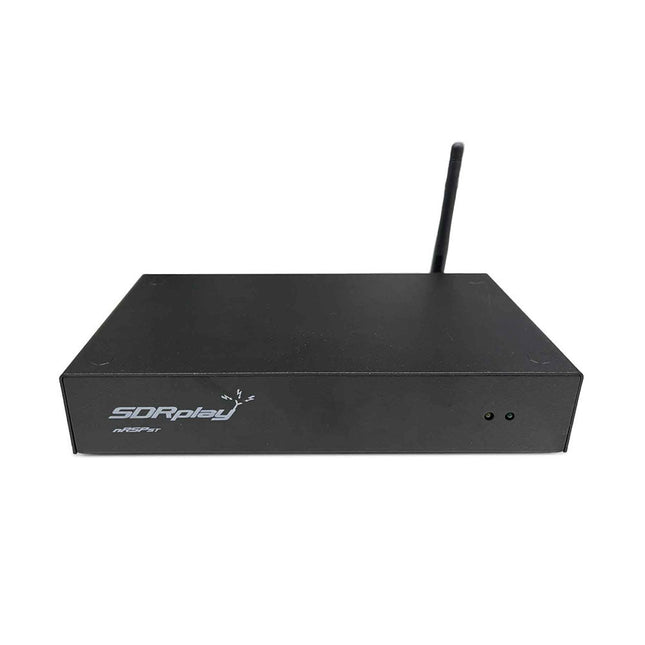
  • SDRplay nRSP - ST Networked Radio Receiver (1 kHz to 2 GHz) - Elektor

    SDRplay SDRplay nRSP-ST Networked Radio Receiver (1 kHz to 2 GHz)

    The nRSP-ST is a networked general coverage radio receiver for frequencies from 1 kHz to 2 GHz with up to 10 MHz of spectrum visibility. The nRSP-ST is your own personal remotely accessible SDR which can also be shared with a small number of trusted friends or colleagues. The nRSP-ST addresses the needs of radio enthusiasts who want a 'plug-and-play' solution for remote reception. As well as achieving this, we have addressed typical internet bandwidth limitations with the creation of a novel IQ Lite mode, which efficiently delivers channels of IQ data. We are also introducing the ability to control and store IQ recordings at the remote location. The nRSP-ST is ideal for anyone wanting a wideband remote receiver without needing computer skills and hours of set-up time and ongoing maintenance at the remote location. Features "Plug and play" integrated, networked general coverage receiver: Combines a receiver, a host computer and a whole lot more – all in one box! Apply power and connect to the internet (Ethernet or Wi-Fi) and the nRSP-ST is automatically accessible from anywhere Multi-platform SDRconnectTM software supports local operation or remote access on Windows, MacOS or Linux platforms The nRSP-ST & SDRconnect are configurable for available network bandwidth: In Full IQ mode, the nRSP-ST provides IQ data transfer of the visible spectrum bandwidth (e.g. for high-speed LAN or superfast internet connectivity) In IQ Lite mode, the nRSP-ST provides IQ data of channels up to 192 kHz wide (e.g. for digital decoding by the client) In Compact mode the nRSP-ST provides compressed audio (ideal for slower internet connections) Supports multiple client connections with a simultaneous mixture of connection modes – an admin tool allows you to assign usernames and timeouts to trusted friends or colleagues. All modes support visualization of up to 10 MHz spectrum bandwidth Two remote connection options: Use a remote SDRconnect client or Use the built-in web-server for remote access from any web browsing capable device, including Android/iOS tablets and phones The nRSP-ST offers the ability to record IQ and audio files to a NAS (network attached storage) device if available on the LAN. The 14-bit ADC full featured wideband SDR receiver covers all frequencies from 1 kHz through VLF, LF, MW, HF, VHF, UHF and L-band to 2 GHz, with no gaps Remotely monitor up to 10 MHz of spectrum at a time from a choice of 3 antennas Flash upgradable for future feature enhancements Included 1x nRSP-ST Receiver 1x WLAN antenna 1x Power supply 1x Manual Downloads Release notes Software

    € 554,18

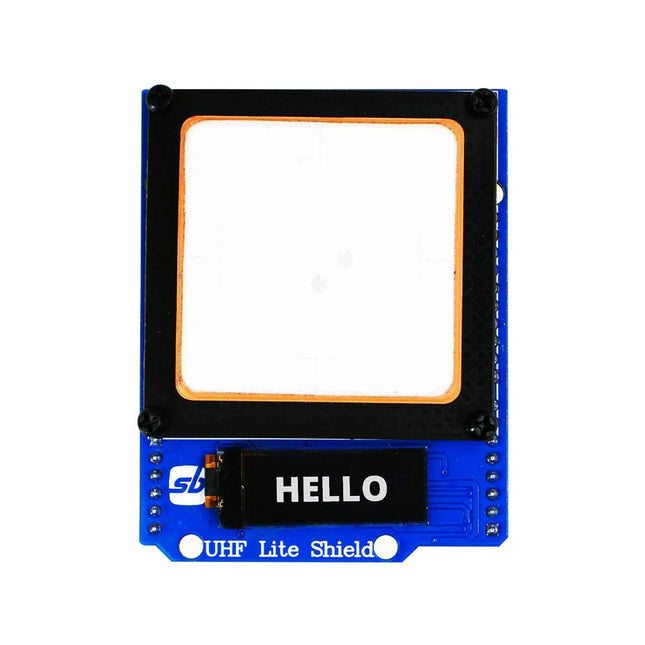
  •  -60% Ardi UHF Shield for Arduino Uno (EU/UK) - Elektor

    SB Components Ardi UHF Shield for Arduino Uno (EU/UK)

    Designed with cutting-edge technology, this shield brings the power of Ultra High Frequency (UHF) RFID to your fingertips. With the Ardi UHF Shield, you can effortlessly read up to an impressive 50 tags per second, allowing for fast and efficient data collection. The shield features an onboard UHF antenna, ensuring reliable and accurate tag detection even in challenging environments. Equipped with a high-performance 0.91" OLED display, the Ardi UHF Shield provides clear and concise visual feedback, making it easy to monitor and interact with the RFID readings. Whether you're tracking inventory, managing access control, or implementing a smart attendance system, this shield has you covered. With a remarkable 1-meter reading distance, the Ardi UHF Shield offers an extended range for capturing RFID data. Say goodbye to the limitations of proximity-based RFID systems and embrace the flexibility and convenience of a wider reading range. The shield provides read-write capabilities, allowing you to not only retrieve information from RFID tags but also update or modify data as needed. This versatility opens up a world of possibilities for advanced applications and custom solutions. Features Onboard High-performance UHF RFID reader module 24 hours x 365 days’ work normally 0.91” OLED display for visual interaction with shield Multi-tone Buzzer onboard for Audio alerts Shield compatible with both 3.3 V and 5 V MCU Mounts directly onto ArdiPi, Ardi32 or other Arduino compatible boards Specifications OLED resolution 128x32 pixels I²C Interface for OLED UHF Frequency Range (EU/UK): 865.1-867.9 MHz UHF Module Type: Read/Write Protocols Supported: EPCglobal UHF Class 1 Gen 2 / ISO 18000-6C Reading Distance: 1 meters Can identify over 50 tags simultaneously Communication interface: TTL UART Interface for UHF Communication baud rate: 115200 bps (default and recommend) – 38400 bps Operation current: 180 mA @ 3.5 V (26 dBm Output, 25°C), 110 mA @ 3.5 V (18 dBm Output, 25°C) Working humidity <95% (+25°C) Heat-dissipating method Air cooling(no need out install cooling fin) Tags storage capacity: 200 pcs tags @ 96 bit EPC Output power: 18-26 dBm Output power accuracy: +/-1 dB Tags RSSI support

    € 129,95€ 51,98

    Members identical

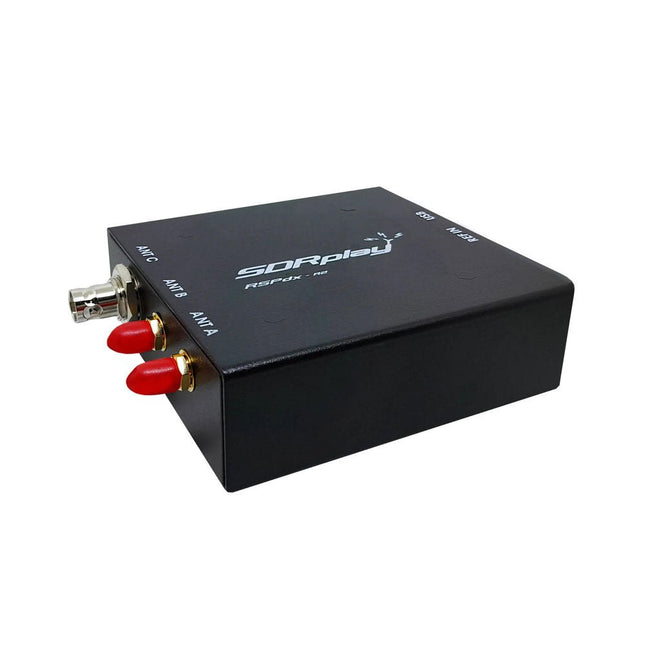
  • SDRplay RSPdx - R2 Single - Tuner 14 - bit SDR Receiver (1 kHz to 2 GHz) - Elektor

    SDRplay SDRplay RSPdx-R2 Single-Tuner 14-bit SDR Receiver (1 kHz to 2 GHz)

    The SDRplay RSPdx-R2 is a wideband full featured single-tuner 14-bit SDR receiver which covers the entire RF spectrum from 1 kHz to 2 GHz giving up to 10 MHz of spectrum visibility. It contains three antenna ports, two of which use SMA connectors and operate across the full 1 kHz to 2 GHz range and the third uses a BNC connector which operates up to 200 MHz. The RSPdx-R2 is an enhanced version of the RSPdx with further design improvements for use at frequencies below 2 MHz. Housed in a strong steel case, in addition to the functionality of the RSP1B, the RSPdx-R2 provides three software selectable antenna inputs and an external clock input. It offers excellent performance through HF and VHF frequencies all the way up to 2 GHz. The RSPdx-R2 also supports an "HDR mode" optimised for the demanding radio reception conditions below 2 MHz. The RSPdx-R2, when used in conjunction with SDRplay’s own software, introduces a special HDR (High Dynamic Range) mode for reception within selected bands below 2 MHz. HDR mode delivers improved intermodulation performance and fewer spurious responses for those challenging bands. Features Covers all frequencies from 1 kHz through VLF, LF, MW, HF, VHF, UHF and L-band to 2 GHz, with no gaps Receive, monitor and record up to 10 MHz of spectrum at a time Significantly improved noise performance below 1 MHz (i.e. for some MF, LF and below) Improved dynamic range below 2 MHz both in tuner mode and HDR mode HDR mode below 2 MHz giving overall dynamic range and selectivity advantages Software selectable choice of 3 antenna ports External clock input for synchronisation purposes, or connection to GPS reference clock for extra frequency accuracy Excellent dynamic range for challenging reception conditions Free use of Windows-based SDRuno software (check website for versions supported) Free use of SDRconnect SDR and server software for Windows, MacOS and Linux (Check website for versions supported) Multiplatform driver and API support including Windows, Linux, Mac and Raspberry Pi 4/5 Strong and growing software support network Calibrated S meter/RF power and SNR measurement with SDRuno (including datalogging to .CSV file capability) Documented API provided to allow demodulator or application development on multiple platforms Applications (Amateur) Shortwave radio listening Broadcast DXing (AM/FM/TV) Panadaptor Aircraft (ADS-B and ATC) Slow Scan TV Multi-amateur band monitoring WSPR & digital modes Weather fax (HF and satellite) Satellite monitoring Geostationary environmental satellites Trunked radio Utility and emergency service monitoring Fast and effective antenna comparison Applications (Industrial) Spectrum Analyser Surveillance Wireless microphone monitoring RF surveying IoT receiver chain Signal logging RFI/EMC detection Broadcast integrity monitoring Spectrum monitoring Power measurement Applications (Educational/Scientific) Teaching Receiver design Radio astronomy Passive radar Ionosonde Spectrum analyser Receiver for IoT sensor projects Antenna research Specifications Frequency Range 1 kHz – 2 GHz Antenna Connector SMA Antenna Impedance 50 Ohms Current Consumption (Typical) 190 mA @ >60 MHz (excl. Bias-T)120 mA @ <60 MHz (excl. Bias-T) USB Connector USB-B Maximum Input Power +0 dBm Continuous+10 dBm Short Duration ADC Sample Rates 2-10.66 MSPS ADC Number of Bits 14 bit 2-6.048 MSPS12 bit 6.048-8.064 MSPS10 bit 8.064-9.216 MSPS8 bit >9.216 MSPS Bias-T 4.7 V100 mA guaranteed Reference 0.5ppm 24 MHz TCXOFrequency error trimmable to 0.01ppm in field Operating Temperature −10˚C to +60˚C Dimensions 113 x 94 x 35 mm Weight 315 g Downloads Datasheet Software RSPdx-R2 vs RSPduo RSPdx-R2 RSPduo Continuous coverage from 1 kHz to 2 GHz ✓ ✓ Up to 10 MHz visible bandwidth ✓ ✓ 14-bit ADC silicon technology plus multiple high-performance input filters ✓ ✓ Software selectable AM/FM & DAB broadcast band notch filters ✓ ✓ 4.7 V Bias-T for powering external remote antenna amplifier ✓ ✓ Powers over the USB cable with a simple type B socket ✓ ✓ 50Ω SMA antenna input(s) for 1 kHz to 2 GHz operation (software selectable) 2 2 Additional software selectable Hi-Z input for up to 30 Mhz operation ✓ Additional software selectable 50Ω BNC input for up to 200 MHz operation ✓ Additional LF/VLF filter for below 500 kHz ✓ 24 MHz reference clock input (+ output on RSPduo) ✓ ✓ Dual tuners enabling reception on 2 totally independent 2 MHz ranges ✓ Dual tuners enabling diversity reception using SDRuno ✓ Rugged black painted steel case ✓ ✓ Overall performance below 2 MHz for MW and LF ++ + Multiple simultaneous applications + ++ Performance in challenging fading conditions (*using diversity tuning) + *++

    € 263,00

What is RF? What is RF used for?

Electromagnetic fields, radio waves, microwaves, and wireless signals are called radio frequency (RF) energy. RF currents are electrical currents that oscillate at radio frequencies and have unique characteristics. RF energy is all around us, and RF is used in a variety of electronics and devices, including radio and television broadcasting, cellular telephones, satellite communications, microwave ovens, radars, and industrial heaters and sealers. These are just a few examples.

What is software-defined radio (SDR), and what can you do with SDR?

In general, an electrical signal is generated by hardware components. It is quite complicated to process signals with hardware and has limitations to troubleshoot. With software-defined radio (SDR), RF communication takes place using software, which simplifies the limitations of signal processing with hardware. Instead of having to use mixers, filters, amplifiers, modulators, demodulators, and so on, SDR uses just an ADC and DAC, along with antennas, without the need for many hardware components.

The software for SDR can be used on a personal computer or an embedded system, providing a more flexible application and making it easy to troubleshoot problems. SDR is used in broadcast and amateur radio, radio astronomy, aircraft tracking and GSM network building, and many more applications. It's a good choice for many fun projects.

RTL-SDR is an affordable USB radio used to receive live radio broadcasts from a computer. Due to its popularity, users benefit from a wider variety of radio signals that just a few years ago would have cost hundreds or thousands of euros.

What does Elektor have to offer?

Elektor offers a variety of RF and SDR-related kits, such as the Elektor Raspberry Pi RTL -SDR Kit, which allows you to receive radio signals between 500 kHz and 1.75 GHz from stations using different bands, including MW/SW/LW broadcast, ISM, CB, ham radio, utility, and more. In addition, Elektor supplies its customers with telescopic antennas and magnetically mountable antennas, and much more. Browse our list to find a suitable solution for you.

What does the future hold for SDR?

The popularity of SDR solutions has been increasing since the widespread availability of 4G equipment. The prospects of upcoming technologies such as 5G, the Internet of Things (IoT), and sensor networks promise to further boost SDR . SDRs are built with more powerful FPGAs, and these applications are intended for increasingly complex tasks. As a result, FPGA tools that can manage growing amounts of data and complexity will inevitably gain popularity.

Login

Forgot password?

Don't have an account yet?
Create account